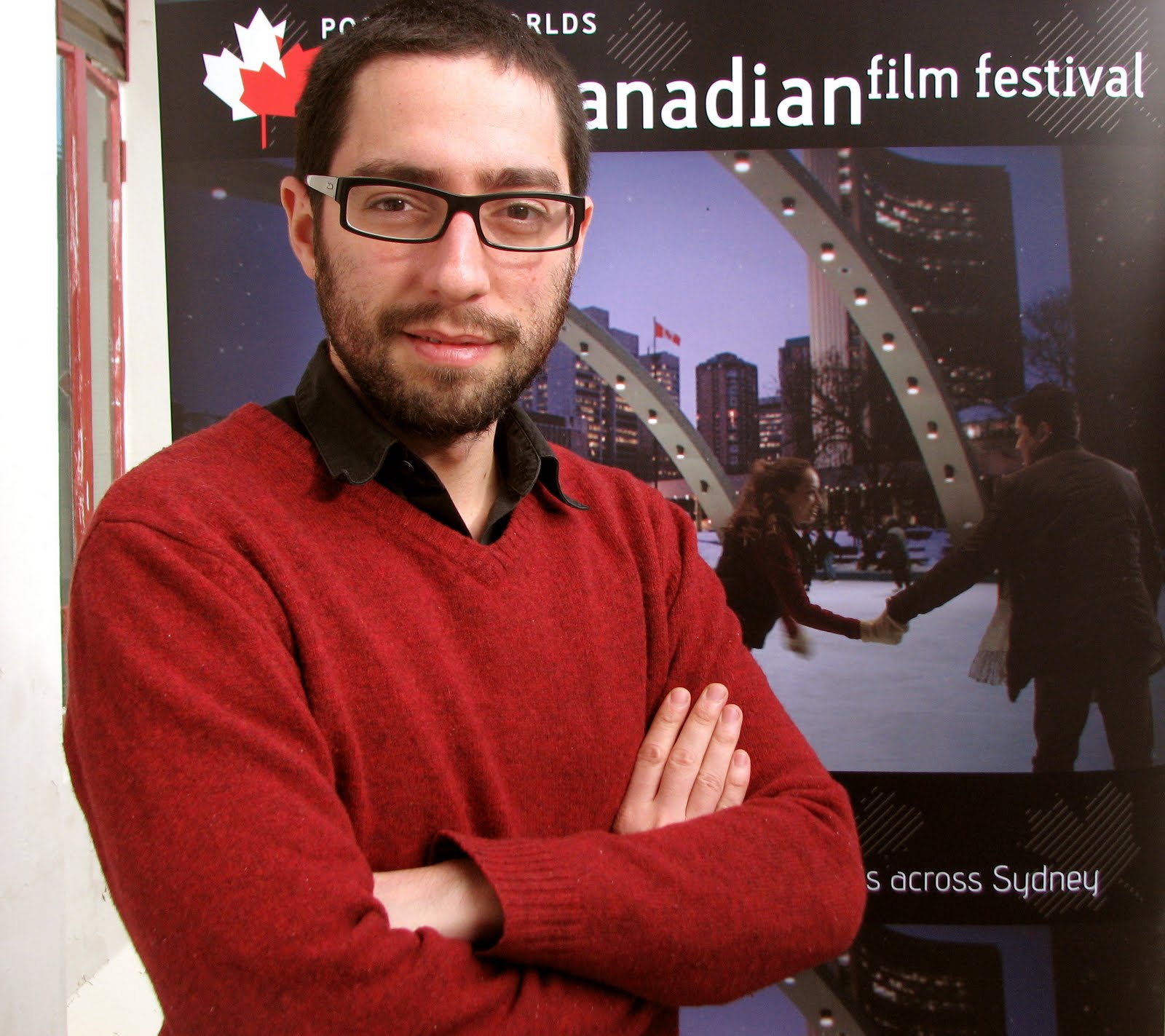
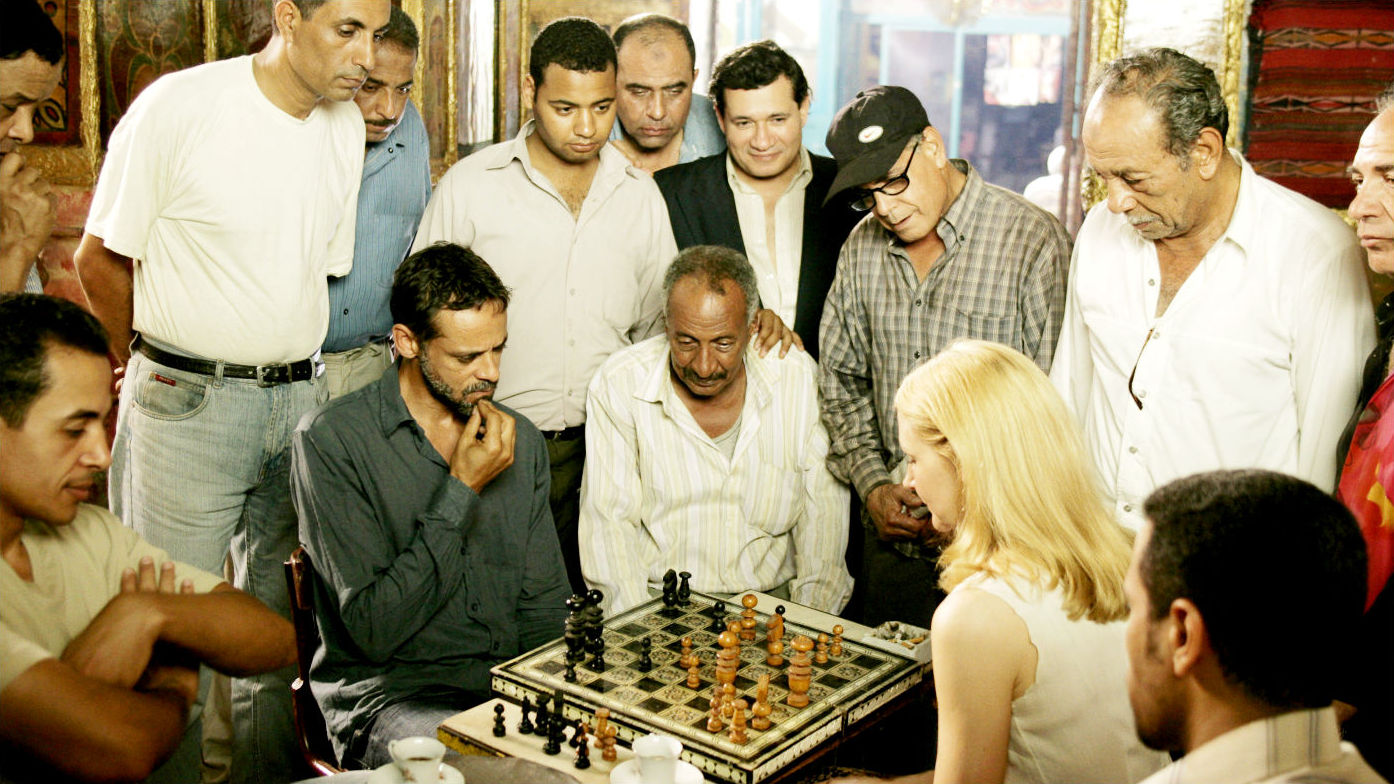
Canadian-Syrian filmmaker Ruba Nadda has been receiving rave reviews for her film Cairo Time. An old fashioned romance, the film shows off the talents of Patricia Clarkson and Alexander Siddig and the beauty of Egypt’s capital city. Ruba Nadda spoke to The Brag about working with her dream cast and the trials of filming with a censorship lady in tow.
 In Cairo Time, Juliette (Clarkson) arrives in Cairo to find her husband has been delayed by work and has sent an ex-colleague Tareq (Siddig), a local, to meet her. As the film progresses a delicate romance plays out as Juliette discovers the delights of the city. This 'West meets Middle East' story has two unconventional romantic leads, a woman in her 50s and an Arab man. “I have always been obsessed as a filmmaker with trying to break down the misconceptions about the Middle East and Arab men in general”. But it was the age of Nadda’s female protagonist that caused the most worry-“I remember our financiers for the film trying to convince me to change the character and make her in her 20s or her 30s. I was really firm about having her being in her late 40s. In the movie she’s 50. For me it was really important to keep her at that age-I knew had it been a woman in her 20s, it wouldn’t have carried the same kind of weight.”
Cairo Time’s success is reliant on the central performers’ chemistry, and Nadda had an ideal cast in mind- “I wanted Alexander badly. I’d written the role for him, I’d been a huge fan of his over the years. And then I wanted Patricia. I just saw them together, I felt that they fit.” How did Nadda know these two actors who had never worked together would have the right energy? “the thing about romances is that it is all about the chemistry- either the characters have the chemistry or they don’t, and when they don’t they [romances] can be brutal. I winged it, I prayed that by casting these two people, and not having them audition in a room together, I prayed that they would have that chemistry. I remember filming the first shot and they were unbelievable, and so it worked. Making movies it’s kind of fate, it’s kind of like chance, sometimes you have to just go with it.”

Nadda can’t praise her stars enough- “the thing about Alexander and Patricia is that they are so experienced , they’re so amazing, so talented, when I had talked to them about their characters and the story, they really got it.... The thing about Patricia is that she is a powerhouse of an actress and so it was a lot of fun collaborating with her, she’s a very smart woman.”
Of course the other great character of the film is Cairo itself, a place that had captured Nadda’s imagination a long time ago “I always had Cario in mind. My parents are from Syria, they’re Arab. They took us [Nadda and her sister] on a visit when I was 16, to Cairo and it enchanted me so much that I just became obsessed with the city, and I basically pocketed the image of this amazing place, this atmosphere in my brain until many years later I thought I have to set a story here.”
Nadda’s script had specific famous locations written in, some of which had never been open to film crews before- the Pyramids and El Fishawis coffee shop. Nadda had to use her Syrian nationality to get access to these areas -“I would say ‘look I’m an Arab filmmaker, you have to give me permission, you can’t say no to me’”.
Of course the other great character of the film is Cairo itself, a place that had captured Nadda’s imagination a long time ago “I always had Cario in mind. My parents are from Syria, they’re Arab. They took us [Nadda and her sister] on a visit when I was 16, to Cairo and it enchanted me so much that I just became obsessed with the city, and I basically pocketed the image of this amazing place, this atmosphere in my brain until many years later I thought I have to set a story here.”
Nadda’s script had specific famous locations written in, some of which had never been open to film crews before- the Pyramids and El Fishawis coffee shop. Nadda had to use her Syrian nationality to get access to these areas -“I would say ‘look I’m an Arab filmmaker, you have to give me permission, you can’t say no to me’”.
Nadda was similarly determined when it came to protecting her project against external pressures. “I was really committed to not altering the script because of the Islamic censorship. I was like ‘you’re not putting money into this movie, you’re not going to tell me how to shoot it’. My crew and I felt very strongly that if we got Cairo, we were not going to get pushed around. The script I wrote, I basically shot in the end. I am actually quite proud of that, because it was a real battle with the censorship woman, who was hired by the government and who literally signing every reel before they were being shipped back.” Nadda and her team had to come up with ways to circumnavigate their unwanted government tag-along- “for certain scenes I had to get rid of her because she wouldn’t have allowed us to film. So we had all these little ploys and plans for removing her when we needed to”.
 Cairo Time with its lovely balance of visual wonder and character charm, has earned its director some long awaiting kudos at home. “I’ve been an outsider to Canadian film for many years, and all of a sudden with Cairo Time, it’s like I’ve finally been accepted into the kind of filmmaking clique here, it feels nice.”
 An abridged version of this interview was published in The Brag 16/08/10