Thursday, February 18, 2010

Interview with Jonno Durrant and Stefan Hunt

image

Jonno Durrant and Stefan Hunt have made a documentary about Australian couple Pam and Alan Skuse and the orphanage they run in Tapachula, Chiapas. Somewhere Near Tapachula highlights the work of the couple and volunteers who look after 54 children at Misión México. Jonno and Stefan film examines this refuge and the unique surfing community it has grown into.

I got the opportunity to ask the filmmakers about their project...


You became aware of Misión México when you were asked to donate a DVD of your documentary Surfing 50 States, what was it that made you volunteer in Tapachula, and specifically with Alan and Pam Skuse?


JD: We were touring Surfing 50 States through North American winter and Stefan just wanted to go somewhere warm, when we heard these kids surfed; it sounded like a fun place.

SH: I think it's a common desire of young people today to volunteer and help the less fortunate. When I heard about Pam and Alan Skuse and the work they were doing at Misión México, I was pretty psyched to go down there and get involved.


How soon after arriving in Tapachula and Misión México did you decide that you wanted to make a documentary, and how did you fund the project?

SH: I'd been at Misión México for about a week, surfing with the kids and getting to know their stories. I was so impacted by what these kids had suffered, but blown away by the love of Pam and Alan, along with the solace they find in surfing that I felt compelled to make a documentary.

JD: Stefan was so inspired by these kids, he emailed me saying, “You HAVE to come down here and bring some cameras, and we have to get this footage!”. Our cameras were back in Australia, so I contacted Walking On Water, a Christian Surf Filmmaking company and asked if we could borrow some cameras for a month. Then awesome companies such as Hurley, Global Surf Industries and Guzman y Gomez Mexican Taqueria have given us money to cover the production and tour costs, so every cent we make can go back to the kids!


What was your goal in making the documentary?

JD: Just to share the inspiring story of Pam and Alan and these kids and hope it makes people realise how good their lives are and want to help a bit with volunteering, money or donating a surfboard!

SH: The inspiration behind making this documentary was definitely the kids and their attitude towards their new life. Just like Pam, Alan and all the volunteers who come through Misión México, I wanted a brighter future for these children, to provide the opportunities for them to achieve their goals.


Tapachula seems to house some significant organised crime groups smuggling people and drugs from Central and South America, how did you find it during your time volunteering and filming there?

JD: It seemed very safe to us; we met lots of friendly people in the street and at the beach, who would stare open-mouthed at us and the kids surfing.

SH: The majority of our time was spent inside the refuge or at the beach, so we never really ran into any trouble, not to say it doesn't exist. I know the week after I left one of the kids was held up with a machete just for his pair of shoes. I think like anywhere there are the dangerous parts of town, but you know when to turn around and not walk down the dodgy looking street.


You are currently working towards a target of raising $100,000, with all the profits from Somewhere Near Tapachula and merchandise going to the Misión México. What will Pam and Alan be able to do with this money?

SH: The goal is to raise $100,000 for what we have labelled the 'future fund'. A lot of kids are graduating in the next few years, and university was out of the question due to funding, but with the future fund Pam and Alan will be able to send kids off to become doctors, pilots and whatever it is the kids are passionate about. The future of Misión México is very exciting, and with this fundraising tour the kids will be that little bit closer to achieving their dreams.

JD: It will also support the surfing program. A huge goal is to buy a block of land on the beach where they surf all the time that is $5,000…and covered with palm trees! They want to build a base there that can one day become a surf school and camp where they can teach the local struggling community the joys and love of surfing.

image

You are obviously passionate about surfing, as are the orphans at Misión México; is surfing a connection that supersedes cultural and language differences?

JD: Definitely yes. I don’t want to get to spiritual, but it is just a lot of fun, and when you share that with someone, you can’t help but get a connection.

SH: Most definitely. You don't have to speak the same language or follow the same beliefs to share the common stoke of Surfing. When I would go surfing with the kids from Misión México I never felt intimated or uncomfortable, I was just out there 'yeewwwing' the grommets into some pretty sizey waves. Definitely one of the best experiences of my life.


Pam Skuse has said that the children view the beach and surfing as a ‘place to escape’, what do you think it is about surfing that the children of Misión México find so therapeutic?

JD: These kids go to school Monday through Friday, they have homework and chores like any other kid. The older kids get to surf early on Saturday morning, then the whole orphanage goes to the beach on Sunday. It is something the kids look forward to all week, and the weather and water is warm and the waves can get really good, so it’s a fun time had by all. Combine this with sharing it with your 50+ ‘brothers’ and ‘sisters’, it helps wash all the cares of the week, and their troubled past away.

SH: When the kids are in the water they're not thinking about their pasts, they are just living in the moment with their new brothers and sisters. Surfing is a healthy challenge for them, and when they stand up on a wave you can feel their accomplishment, they're just super stoked on this new lifestyle. Surfing is a place of solace for everyone, but for these kids who have had to deal with so much at such a young age, surfing is the biggest breathe of fresh air.


How did the children at the orphanage feel about a documentary being made about them, and have they seen the end result?

JD: They were excited to be on camera as most kids are. They were really excited to see their surfing played back to them, I don’t think any of them had seen that before.

SH: I had been hanging out with the kids for about a month before we started filming, so they felt comfortable around me to open up and share their stories. It was pretty heavy at times, but I would explain to them that their courage is going to inspire people to help them achieve their dreams. I returned a few months later with an edited version just for the kids and they loved it so much. Sitting down with all the grommets and watching them laugh their heads off during the wipeout section was awesome.


On your blog you have put up a quote from a reviewer- “But Jonno and Stefan were so dumb, so totally uncool, that ultimately you had to love them”, you are also compared to Bill and Ted in the same review- do you think this is a fair assessment?

SH: I laughed so much when I read that review, mainly because it's so true. Jonno and I are absolute kooks who just love having a good time, and I think that when people realise that then we grow on them. Until that point we're probably just two annoying guys with a bad sense of humour.

JD: That review was for Surfing 50 States, which is all about slapstick and wacky humour, we had no idea what we were doing, but it worked out with a lot of help. This film is totally different, a lot more serious, so we recruited a lot of help to make this one too.


Will your relationship with Misión México continue and will you go back to Chiapas to film again?

JD: We can’t wait to go back there and film us handing over a $100,000 cheque to Pam and Alan and the kids, then go surfing with them again! We would love to do follow up movies so everyone can see the great things that are happening with these kids’ lives.

SH: There is not a day that goes by that I don't want to go back to Misión México. I will definitely visit that place every opportunity I get, I miss those grommets so much and the best Quesadilla shop in the world is around the corner. But in all seriousness, Misión México will always play a big part in my life, and I will do anything I can to help those kids achieve their dreams and live a life that we take for granted in Australia.

Published on Trespass 16/02/10

Tuesday, February 16, 2010

Interview with Barry Watterson


The inaugural Australian Film Festival begins on the 24th February, running til the 7th March, with the iconic Randwick Ritz Cinema playing host. Mixing classic Australian movies and new, unseen films, with educational programs, Q&As and other events this is a festival both celebrating Australian film and encouraging innovation in our film industry.

Festival Director, Barry Watterson took some time out to answer some questions about the development of the AFF, the Australian film industry and its future…

image

This is the inaugural AFF after last year’s Australian Film Week. How many people and how much time has been spent planning and organising this festival?

The screening of features during the Australian Film Week last year was dipping a toe into the water. As soon as it finished, planning began on the inaugural Australian Film Festival and we’ve been working on it since. There’s only a few of us in the office, but we reached out to industry professionals (to whom I’m very grateful) to guide us in building the structure of the festival and providing the technical expertise to get it up and running.


How do you go about choosing films to screen, what guidelines do you impose?

The guidelines were very flexible. The main purpose of the AFF is to provide a platform for Australian film content to be seen, so we accepted films of all genres, lengths and mediums (even online or downloadable). Essentially, we provided screen space for films that we thought were worth a cinema release or with a broad range of audience appeal until we ran out.


Why have you chosen to screen well-known and loved Australian films, as well as newer, perhaps unseen films?

We chose to create ‘events’ around our well known Australian films (opening night Mad Max with cast and crew, Bad Boy Bubby with a Q & A featuring Nicholas Hope and Happy Feet as a free screening event on Clovelly Beach) to draw attention to the festival and to the rest of our program of unreleased films, workshops and competitions. We feel that if we can get audiences connected to films they know, they will hopefully come to see newer Australian film works.


AFF will involve more than film screenings, with Q&As and educational programs. Is this indicative that this is not simply a festival for film-goers, but also for potential filmmakers?

Absolutely. The AFF is not simply a screening festival. It is mainly focused on the long term development of audience for Australian film content and providing the opportunity for future filmmakers to hone their craft on the way to making their masterpieces!


You have said that the festival is taking ‘a modern and global view of what film is’, can you elaborate on how you see this modern and global view?

For a number of reasons, Australian filmmakers are a few years behind the rest of the world. ‘Film’ is not just feature film; it is also short film, television, mobidocs (content made specifically for mobile ‘phones), mogies (actors integrated into gaming platforms), online downloads, gaming and much more. Filmmakers should be considering the best form for their film content and how best to deliver it to modern audiences.


There has been an enormous amount of debate regarding Australian audiences and their attendance of Australian films - Do Australians want to watch Australian made films?

I think (and hope) that they’re willing. I don’t believe that audiences should go to see a film just because it is Australian, and filmmakers should be more aware of the audience they want to see their film. It does seem, though, that Australian audiences are less forgiving to their home product (going to the movies is an adventure, people!). As well, Australian films have the problem of access. Consider that:

1. Australia is an English speaking country, the same as the biggest film markets in the world.

2. A well funded Australian film (including marketing) can be made for $3m. Avatar had a marketing budget alone that could have made 55 such Australian films. New strategies have to evolve to combat overseas release marketing budgets.

3. Australian films have often been screened in independent cinemas. There are not many left, Australian films screen for about a week and people have to travel long distances if they want to see them.


You have stated that your purpose for AFF involves long-term goals for Australian films both in terms of content and building audiences. Again the issue of content has also been a subject of much debate, with suggestions that Australian films are too high-brow and bleak - do you share these concerns?

Filmmaking goes through cycles. Avatar does well, now everyone wants to film in 3D. For the past few years our major filmmakers have been making very fine films with tough content. There is always a place for those sort of films, but a film ‘industry’ should have a wide audience appeal. Australians are some of the funniest people I know, but it’s not reflected in the filmmaking of the past few years. That will change, especially as filmmakers begin adapting new filmmaking techniques to deliver their stories to our audiences.


There is always the argument as to whether to view film as an industry or an art form. With Government subsidies being criticised for creating a weak Australian film industry, where do you fall in this debate?

We wouldn’t have a film industry without Government subsidies. We’re too small a market. Government subsidies in Australia are set up in a way so that filmmakers have to do a lot of work before they’re given funding. I do believe, however, that more of the funding should go to development of projects (from the script stage) with a focus on how the film is delivered once it is finished.


The Australian Film Festival will be the country’s most comprehensive presentation of Australian film content; are there plans to expand the festival to other part of Australia, outside of Sydney?

Yes. If we'd had a bit more time we would have delivered events in both Melbourne and Brisbane this year. We also have plans to provide access to regional and possibly international viewers.


As Festival Director, with the festival fast approaching, which are you feeling more; stressed or exhilarated?

I'm not sure how to tell the difference at this stage. There's still a lot of work to do, but it's exciting to work with Australian filmmakers in helping them realise their dream of giving their film a cinematic release. Now all they need is an audience.


Interview published on Trespass 16/02/10

Wednesday, February 10, 2010

A Prophet (Un Prophète)

image

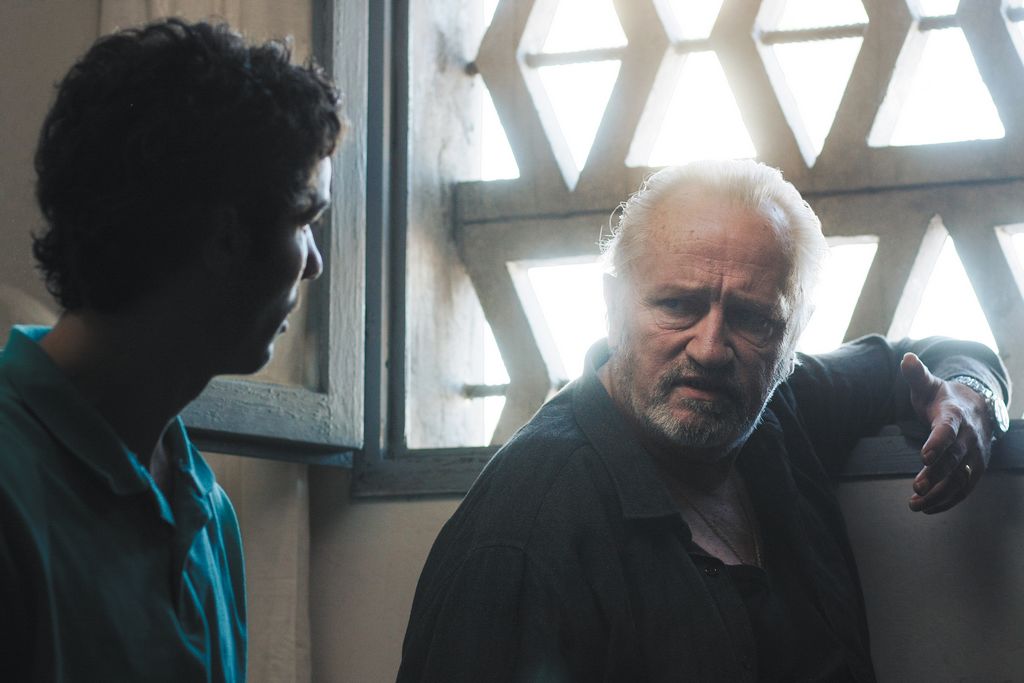
Centred around half-Arab, half-Corsican, Malik El Djebena (Tahar Rahim), A Prophet is a story of social climbing akin to Scarface but without the overdone theatrics. With director Jacques Audiard (Read My Lips, The Beat That My Heart Skipped) at the helm, A Prophet is more than a crime film, it is a quintessential modern French story about social and cultural identity.


Malik is 19-years old when he enters a Parisian jail for his 6 year sentence. He is illiterate and seemingly emotionally immature; alone in the world without friends or family, and in practical terms, without money to survive his time in jail. What hope does Malik have in this lions' den?


In a place divided by ethnicity, Malik is viewed suspiciously by both Corsicans and Arabs, as he doesn’t fulfil the necessary racial credentials for either side. That is, until he becomes useful to the leader of the Corsicans, César Luciani (Niels Arestrup).


A Prophet explores themes of power, control and survival, all tropes you’d expect from a film set in a jail. But then, there is the additional aspect of race - Audiard obviously wants to examine a topic that is central to modern ideas of identity in France. With an official policy of assimilation, issues of race and cultural identity in France appear to be constantly on a knife’s edge. In this way, the jail in the film is a microcosm of French society.

Malik represents a typical example of someone who has fallen between the cracks in France’s social system. Let down by the promise of assimilation, he is rejected by his ‘people’ and failed by the State (illustrated by his illiteracy). Left to sink or swim in jail, Malik is given lessons in servitude, seduction and murder by his adopted jail ‘family’. In his debut feature film role, Tahar Rahim makes Malik’s criminal transformation completely mesmerising.


Go to Trespass to read the full review

Monday, February 8, 2010

I know it's wrong, but I still love...


It is Love Week at Trespass and I asked some film enthusiasts to look deep inside their artistic souls and let out their darkest filmic secrets. Taking the immortal words of Millie Jackson - ‘if loving you is wrong, I don’t want to be right’ as our mantra - it is time to find out who and/or what these movie-buffs know is so wrong, but can’t help loving anyway…

Here are my picks-


I know they’re cheesy, but I still love Hollywood teen romance versions of Shakespeare.


I know they are completely formulaic, but I still love films about dancing; Footloose, Breakin’, Fame, Step Up, Centre Stage, and many many more.


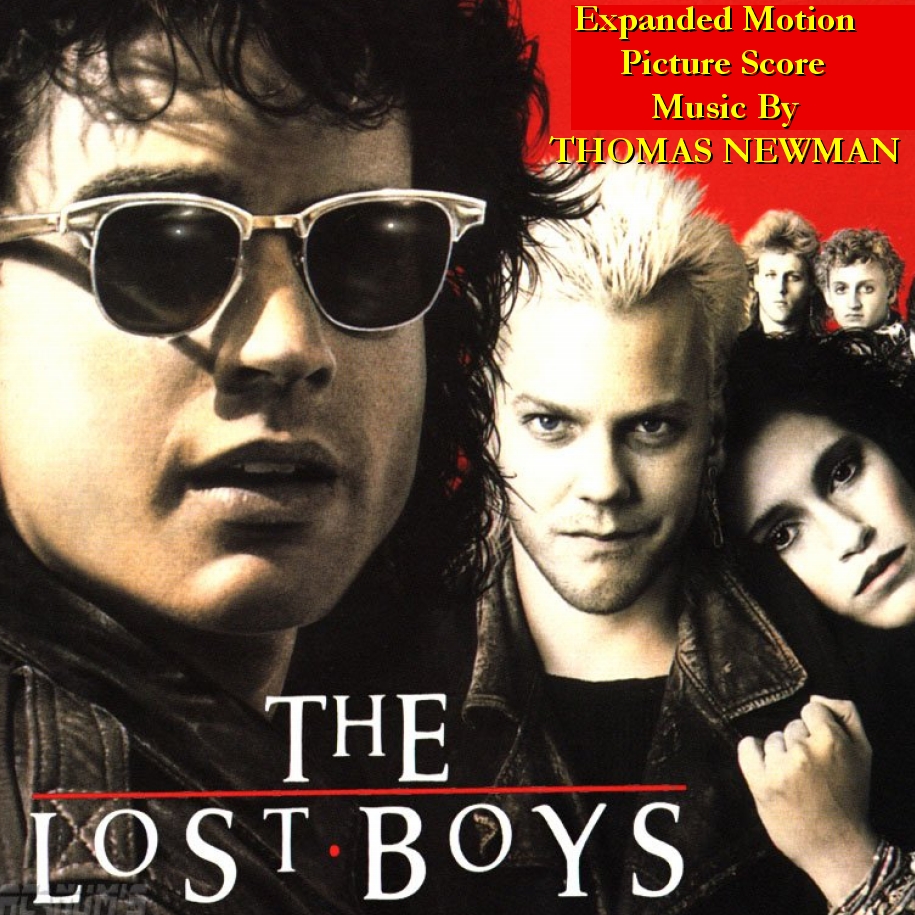
I know it’s wrong, but I still love the soundtrack to Lost Boys. ‘Oh I still believe (insert saxophone playing)’


Head over to Trespass to read the full list

Sunday, February 7, 2010

What is 'Poverty Porn' and are we guilty of indulging in it?

Simply put, ‘poverty porn’ is a term of criticism applied to films which are accused of being made for a privileged audience and offer up stories of poverty and suffering for their enjoyment. The notion of ‘poverty porn’ seems to have emerged as a reaction to Danny Boyle’s Oscar winning film (2009), Slumdog Millionaire. The film was felt by some critics, both in India and outside, to have been made for a white audience who enjoyed the ‘exotic’ location that housed the story of deprivation.

“Slumdog revels in the violence, degradation and horror, it invites you, the Westerner to enjoy it, too.”- Alice Miles, The Times 14/01/09


As well as emphasis being placed on the modern orientalist approach, of both the filmmakers and audiences in the wealthy West, the second part of this debate focuses on the idea of entertainment and pleasure, with the film being presented as ‘heart-warming’. The film depicts scenes of torture, acid burning and communal violence, with a large amount of aggression directed towards children. Critics of Slumdog Millionaire found the idea of enjoying the film distasteful.


“When the selective manipulation of Third World squalor can make for a feel-good movie in a dismal year, the global village has a long way to go”- Vrinda Nabar, DNA India, 10/01/09


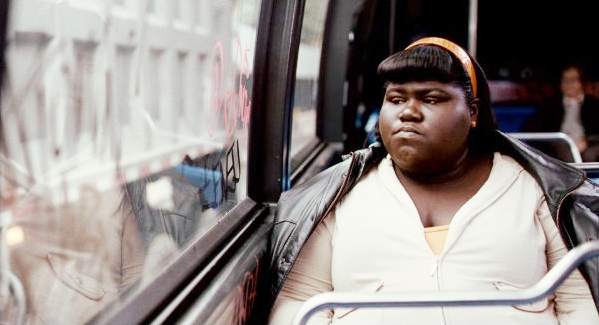
Precious: based on the Novel ‘Push’ by Sapphire, has reignited the argument over ‘poverty porn’ bringing the debate to the cultural hegemony of filmmaking- America. The idea of representation and racial stereotypes has caused a backlash against the film, which has been accused of being manipulative and damaging.

Precious’ detractors have attacked the film on two fronts; firstly the content of the film and its use as entertainment, and secondly in terms of racial representation.

“offering up the heroine’s misery for the audience’s delectation”- Dana Stevens,
Slate, 05/11/09


Full article can be found at Trespass

Friday, February 5, 2010

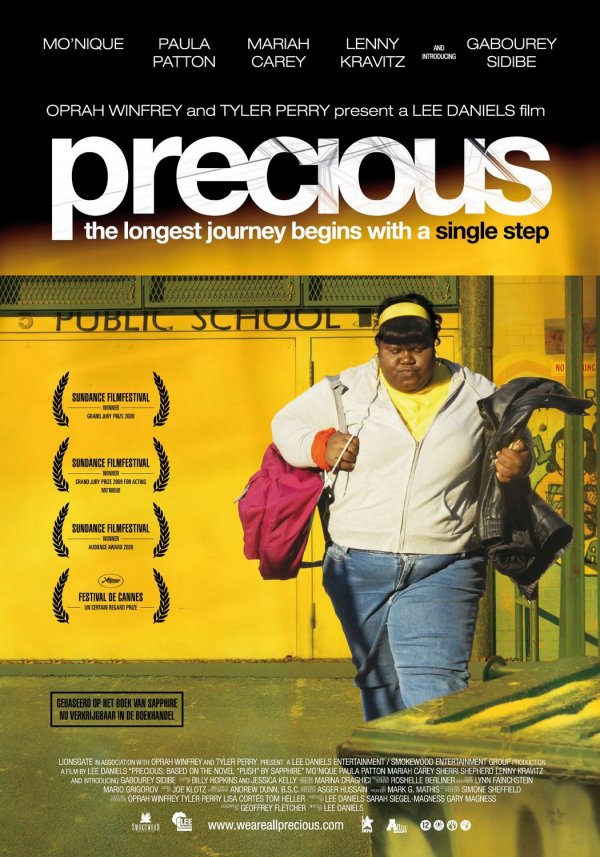
Precious: based on the Novel 'Push' by Sapphire


Precious has become a hit on the international festival circuit and secured nominations during this year’s award season. There has also been a backlash against the film and its character portrayals. So for the film review on Trespass I decided to give readers both for and against opinions, with mine being the affirmative and fellow reviewer, Sean Rom the negative.

FOR-

With an amazing debut performance from 24 yr old Gabourey Sidibe, and an equally good supporting cast, Precious is a film to watch and ponder. Whilst there has been criticism over the explicit and continuation victimisation of Precious by some critics, I think it is ludicrous to view Precious as a single character; her suffering comes from a collection of girls/women’s realities. Sapphire, a New-York based poet who wrote the book Push (1996), based the story on her own experiences working in Harlem teaching reading and writing.


“These people are not invisible. We hear about them every day. But they are totally misunderstood, and I wanted to show what’s behind the statistics.” Sapphire


A film that deals with incest and poverty should make the viewer uncomfortable. Lee Daniels (he produced Monster’s Ball and The Woodsman and directed Shadowboxer), the director, is not a man to shy away from taboo topics. He has given us a story full of ugliness and pain. Precious’ mother is definitely a vicious woman, but Mo’Nique gives Mary both a sense of malice and neediness, showing her to be at once tough and pathetic; no easy task.


Part way through, the film seems dangerously close to inspirational teacher mode, thankfully the brakes are put on before it slips into sentimentality. This is due to the filmmakers’ persistence in brutal realism, meaning that Precious’s life can’t go from horrific to perfect, no matter how much as a viewer you might want it to.


With impressive cinematography from Andrew Dunn (Gosford Park) and almost exclusively superb acting (even Mariah Carey), it is the subject matter of Precious that is causing dissent. I definitely have some problems with elements in the film, like the fetishism of food, with greasy shots of fried food interspersed with scenes of rape; and more significantly the representation of ownership, the notion that Precious is the storyteller, when it is Ms. Rain/Sapphire, the teacher, who is the true narrator. However, the discussions the film has engendered are proof enough that Precious needed to be made. Precious has launched a discourse in the mainstream media, which usually shies away from hard topics like abuse, incest and racial representation. I believe the film is all the better for the controversy it causes.


Go to Trespass to read the full article

Tuesday, February 2, 2010

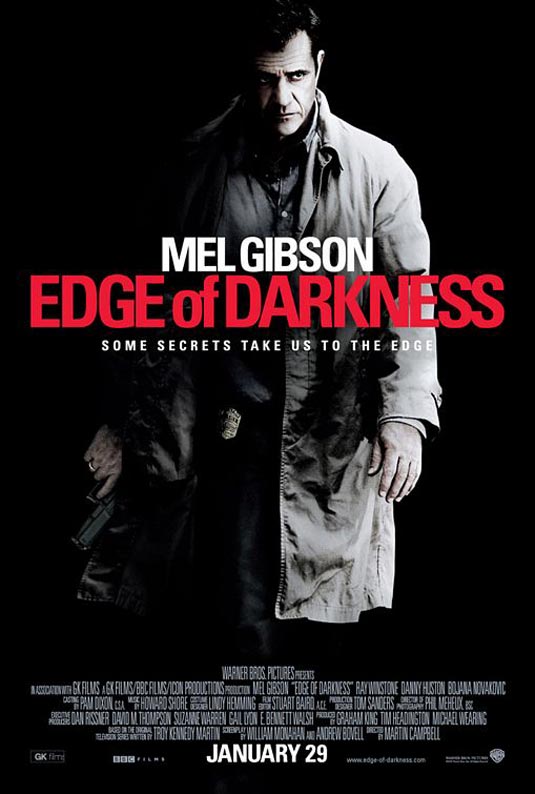
Edge of Darkness


There is something not quite right with Edge of Darkness, which is really hard to put your finger on. Once you find out its backstory and you become aware that it is in fact a remake of a 1985 BAFTA award-winning BBC mini-series, it all suddenly becomes clear. Take a well-plotted story with well-examined characters, who have been allowed to develop over 6 hrs and squash them into a 116 minute American film and the end result is a very average political thriller.

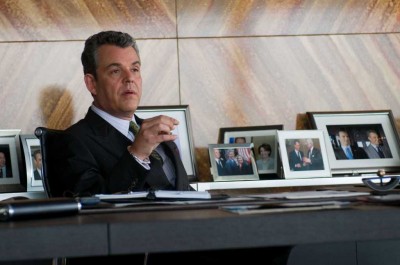
This new imagining of Edge of Darkness relocates the action from Yorkshire to Massachusetts. Mel Gibson, returning to the screen after 7 years, plays homicide detective, Thomas Craven, who is flung into a political conspiracy when his only child, 24-year old Emma (Bojana Novakovic), is murdered on his doorstep. His solo investigation leads him to shady characters like government operative, Darius Jedburgh (Ray Winstone) and corporate head, Jack Bennett (Danny Huston). Can he unravel the mystery before he becomes the next victim?

image

Mel Gibson, one of the few people in Hollywood who seems to age, looks right as the wizened, gruff policeman. But as Thomas Craven, he is back in conspiracy Mel mode - a role we have seen before and isn’t much of a stretch. It is a character so thinly drawn that he is hard to care for.


Director Martin Campbell (Casino Royale), who was at the helm of the original TV production, leaves too many gaps and inconsistencies in the updated film. Why no-one inspects Emma’s belongings until days after she is buried, or the instant death of anyone who talks to Craven are annoying plot necessities to keep the story together. The lack of time to explore means all the characters fit nicely into stereotypes; Craven is the rogue cop, Emma the martyr, Jack Bennett the villain and Darius Jedburgh the hitman with a conscience.


image1 image2


Go to Trespass to read the full review